Crosswalks Header
SCPP Home Button

Crosswalks HOME

About Crosswalks

Participants

Research

Toolbox


Toolbox Home Link

Toolbox HOME

Aspects of Diversity

Instructional Tools

Search for Resources

Crosswalks Toolbox Header

The North Carolina Birth-Kindergarten Standards


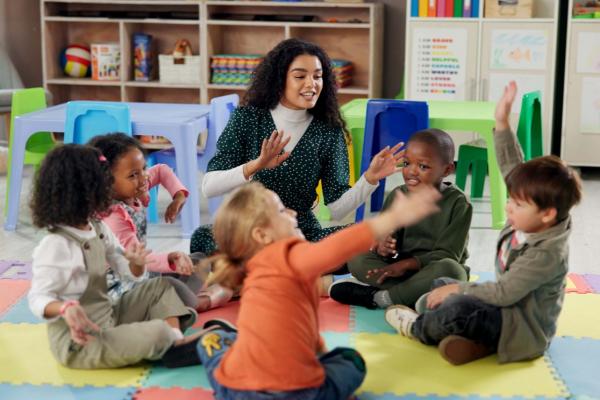
Scientific breakthroughs have provided the fields of early education (Child Development, Early Childhood Education, Early Childhood Special Education, and Early Intervention) an extraordinary understanding of how young children with and without disabilities develop and learn. Recent research has demonstrated that young children know more, know it sooner, and need opportunities to continue to be active learners. Advances in neuroscience and reauthorization of legislation provide greater support than ever for early education. Therefore, it is important to be mindful of:

  • changes in the knowledge bases of the fields of early education;
  • changes in early care and education for infants, toddlers, preschoolers, and kindergartners;
  • increased diversity of environments in which birth-kindergarten professionals are engaged such as natural learning environments, public school classrooms, child care centers, community agencies, homes, hospitals, crisis nurseries, and shelters;
  • changes in early childhood demographics including family, linguistic, geographic, socioeconomic, and cultural diversity;
  • the value of essential roles family members play in their child's development and learning; and
  • increased numbers of young children at-risk for and with disabilities who are served in early education programs.

These interrelated elements impact all aspects of high quality early education practices.

Specialized knowledge and skills are required of professionals who work with children from birth through kindergarten due to the complexities of development that exist in young children during those years and to the diversity of settings in which birth-kindergarten professionals work. With the passage of recent legislation, the number of pre-kindergarten children served through the public school system has grown dramatically. In addition, young children with disabilities are optimally served in inclusive settings. Research on these settings supports the philosophy that these environments are best for ALL children. Likewise, the participation of family members is integral to each child's development.

Developmental domains are integrated and inseparable from one another. For example, a preschool child who is mastering certain physical skills may experience a temporary lag in verbal skills. A child with a hearing impairment may experience social challenges due to differences in communication modes. Individuals who work with young children with and without disabilities must have a thorough knowledge of the development of the whole child within the context of the family and of possible variations in that development.

When teachers are competent to facilitate the learning and interaction of ALL young children with and without disabilities, including those at-risk, both the growth and development of children are optimized. Competent teachers create respectful environments where they model and affirm acceptance of differences and work in partnership with family members.


What are the The North Carolina Birth-Kindergarten Standards?

To discover instructional strategies, tools, and resources, click on a specific standard below.

Standard 1Promote child development and learning for ALL young children with and without disabilities, including those at risk
Standard 2Understanding of assessment processes including their goals, benefits and uses
Standard 3Building family and community partnerships
Standard 4Connecting with ALL young children with and without disabilities including those at-risk and their families
Standard 5Conducting appropriate, on-going formal and informal assessments
Standard 6Creating an integrated curriculum and responsive environment
Standard 7Supporting the learning of ALL young children with and without disabilities, including those at-risk
Standard 8Recognize and respect individual differences in program planning and implementation
Standard 9Demonstrate respectful, reciprocal relationships with relationships with families and communities
Standard 10Function professionally

SCPP HOME | Crosswalks HOME | About Crosswalks | Participants | Research | Toolbox | Resource Guide


For inquiries regarding the Crosswalks project contact Camille Catlett.
For comments, or inquiries regarding this site contact FPG Webmaster
UNC Logo & Link OSEP Logo