HOME
 
About New Voices
 
Training Modules
 
Training Opportunities
 
Contact Info
 
Project Team
 
Resources
 
Testimonials


Training Modules


The New Voices~Nuevas Voces program is divided into five modules. Each module includes a variety of cooperative learning activities to enable participants to discuss common issues of concern, share their own expertise, and develop skills to incorporate the content into their work. New Voices~Nuevas Voces offers an opportunity for participants to assess their own knowledge of, attitudes about and practices with diverse children and families, and to develop an individual plan for improvement.


Module 1: Foundations of Cultural Diversity
Participants come together in a climate that is welcoming and respectful of all perspectives to learn about the origins and nature of attitudes towards differences, and the impact of attitudes on children, families and providers. They explore how culture, race, disability and language have shaped their lives, and learn about how children develop their culture and ethnic identity. In addition, participants learn about the characteristics of the Hispanic/Latino population in the United States, and explore perceptions of the Latino culture.

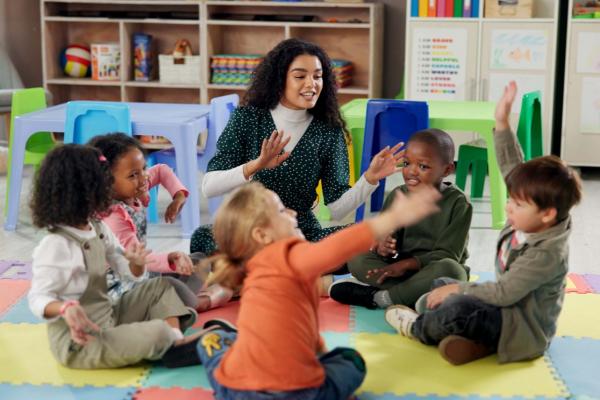
Small Workgroup Photo

Module 2: Cross-cultural communication
The ability to communicate successfully lies at the heart of effective and positive interactions, even when the interaction involves people who speak the same language. Adding a language or cultural difference increases the challenges of being understood.Participants gain information about culture as the primary shaper of our verbal and nonverbal communication behavior, an awareness and appreciation for their own and others communication styles and strategies for fostering positive cross-cultural interactions. Participants also gain information and strategies for working effectively with interpreters.

Module 3: Understanding Diverse Families and their roles
How children are raised within the contexts of their families’ cultural values and beliefs has an influence on how children perceive, learn and develop in their world. When professionals and service providers form strong partnerships with families and embrace their home culture, children flourish. This module discusses childrearing practices in diverse families, particularly the values, beliefs, and childrearing practices among Latino families in the United States. Strategies for partnering with families from diverse backgrounds are shared.


Module 4: Supporting Language Development in Young English Learners
This module concentrates on second language acquisition in young children. Its goal is to increase knowledge of language development in bilingual children, the role of the home language, and the difference between second language learning and genuine language delay or impairment. Participants receive information on effective ways for service providers to support first and second language development. Also, recommended strategies for assessing English language learners are discussed.

Module 5: Working with Culturally and Linguistically Diverse Children
Participants explore a variety of approaches related to working with diverse children in early education and early intervention, particularly Latino children. Participants learn ways to ensure that practices are culturally and linguistically appropriate. Pulling together content from all the previous modules, participants are provided with information about multicultural practices in early childhood and ways to incorporate them into everyday learning opportunities.

Photo of Work Session
  Photo of Session
 

New Voices/Nuevas Voces
Frank Porter Graham Child Development Institute
University of North Carolina at Chapel Hill