Education & Treatment:
Inclusion

Classrooms &
Instruction

What are the Benefits of Inclusion?

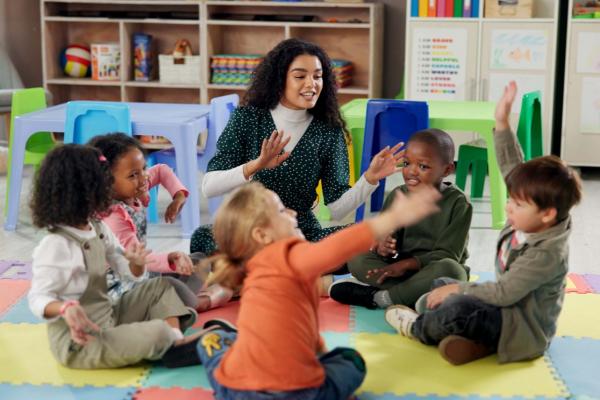
Research has shown
many positive effects of including children with disabilities
in early childhood programs. The benefits accrue not only
to children with disabilities but also to children with typical development,
their families, classroom teachers, and the community at large.
Some of these benefits are listed below.

Children with special needs may:

  • Experience a more complex environment that stimulates developmental progress
  • Increase their social skills and language through interaction with typically developing peers
  • Develop a better understanding of the real world
  • Be accepted better within the community if they participate in a normal setting, thus
    growing up feeling included rather than excluded

Children with typical development may:

  • Learn about differences in human growth and development
  • Become more accepting of others who are different as they learn to work and play with a wider range of children
  • Become more accepting of their own limitations
  • Learn how children with special needs can be models for perseverance and courage in spite of adversity
  • Learn how children with special needs are similar to all other children

Families of children with special needs may:

  • Develop more positive attitudes toward their children
  • Gain understanding about a real-world perspective for interpreting their childrens'
    accomplishments and challenges
  • Increase their knowledge of typical child development
  • Learn about age-appropriate activities
  • Improve their perception of themselves as parents
  • Feel less socially isolated

Families of typically developing children may:

  • Have opportunities to teach their children about differences in growth and development
  • Develop a greater understanding of persons with disabilities
  • Become more sensitive to the needs of families with children who have disabilities
  • Become advocates for community integration

Classroom teachers may:

  • Develop positive, realistic attitudes toward inclusion
  • Receive additional training, such as learning how to enhance social interactions, that will help them with all children
  • Receive the personal satisfaction of helping different types of children make progress and become friends
  • Develop new relationships with professional colleagues from various disciplines

The community may:

  • Understand that if the potential of all children is maximized, children with disabilities are helped to become productive members of society
  • Understand that providing intervention early in a child's life saves money in the long run, because disabilities can be corrected to varying degrees, enabling the children to be more independent

If you would like to order a copy of Inclusive Preschool Environments: Strategies for Planning, contact Kaplan Publishing Company


Bailey, D., & Winton, P. (1987). Stability and change in parents' expectations about
mainstreaming
. Topics in Early Childhood Special Education 7(1), 73-88.

Reproduced from Inclusive Preschool Environments: Strategies for Planning with
permission of Author, Hardin, B., Wesley, P., Lohr, L./ Chapel Hill Training-Outreach
Project, Inc. and Publisher. No further reproduction is permitted without the express
permission of the copyright holder, Author and Publisher.