Outcomes 101: ECO Q&A

return to Q&A Home

Q. What do the child outcome statements mean?

A. The outcomes address three areas of child functioning necessary for each child to be an active and successful participant at home, in the community, and in other places like a child care program or preschool.

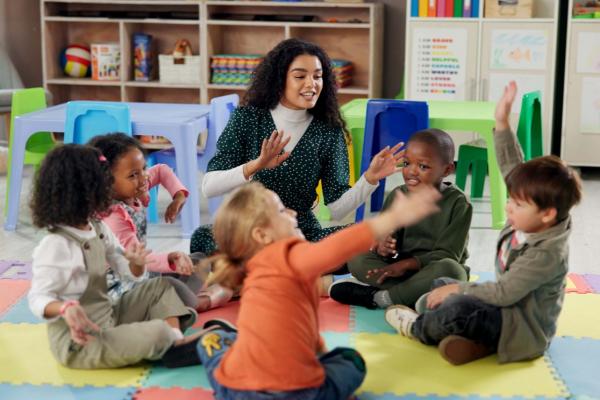
Positive social-emotional skills refer to how children get along with others, how they relate with adults and with other children. For older children, these skills also include how children follow rules related to groups and interact with others in group situations such as a child care center. The outcome includes the ways the child expresses emotions and feelings and how he or she interacts with and plays with other children.

The acquisition and use of knowledge and skills refers to children's abilities to think, reason, remember, problem solve, and use symbols and language. The outcome also encompasses children's understanding of the physical and social worlds. It includes understanding of early concepts (e.g., symbols, pictures, numbers, classification, spatial relationships), imitation, object permanence, the acquisition of language and communication skills, and early literacy and numeracy skills. The outcome also addresses the precursors that are needed so that children will experience success later in elementary school when they are taught academic subject areas (e.g., reading, mathematics).

The use of appropriate behavior to meet needs refers to the actions that children employ to take care of their basic needs, including getting from place to place, using tools (e.g., fork, toothbrush, crayon), and in older children, contributing to their own health and safety. The outcome includes how children take care of themselves (e.g., dressing, feeding, hair brushing, toileting), carry out household responsibilities, and act on the world to get what they want. This outcome addresses children's increasing capacity to become independent in interacting with the world and taking care of their needs.